

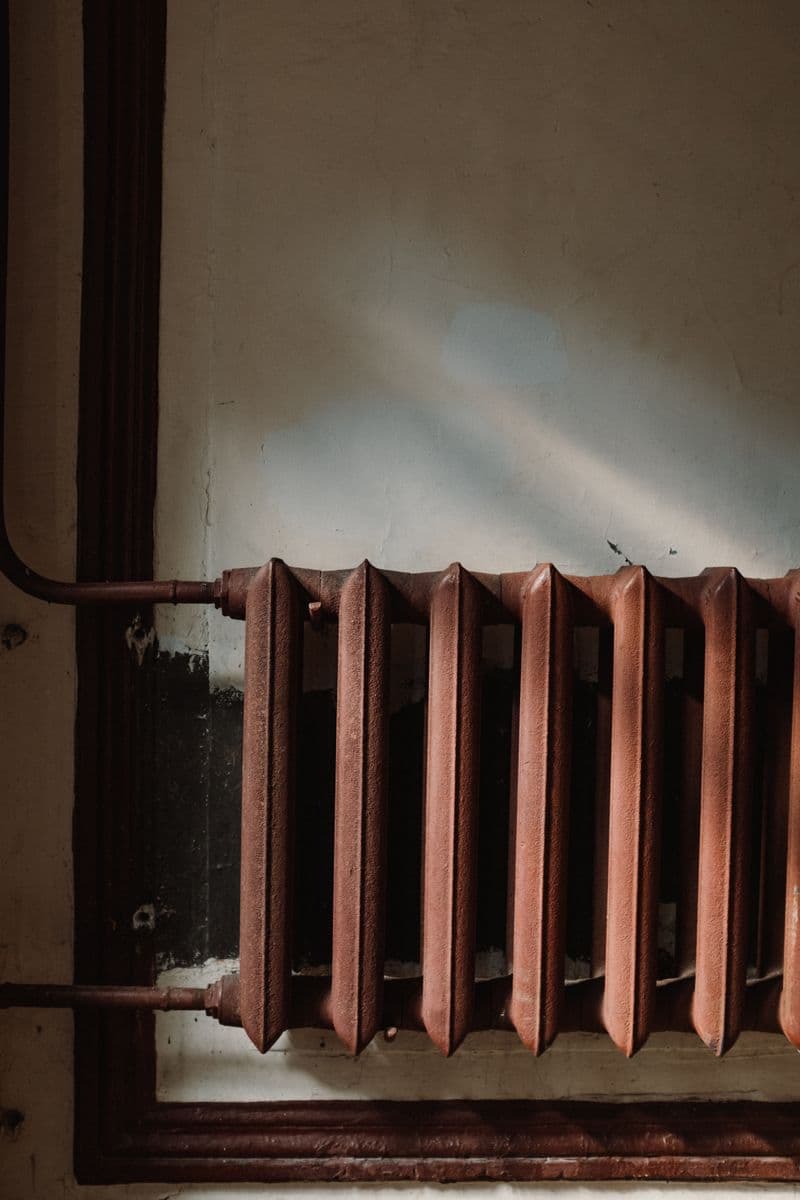
What Is Heating System Sludge?
Sludge is the informal name for magnetite — a dark, gritty substance formed when water in your central heating system reacts with the iron in pipework and radiators over many years. It's a natural process, but it has significant consequences if left untreated.
Sludge collects at the lowest points in radiators (the bottom), in pump impellers, boiler heat exchangers, and narrow pipework. Over time it restricts flow, reduces heat output, and accelerates wear on expensive components.
Warning Signs of Sludge Buildup
Cold Patches at the Bottom of Radiators
Hot water enters radiators from the side or bottom, and sludge settles at the lowest point. If your radiator is warm at the top but cold or lukewarm at the bottom, sludge is the most likely cause.
Dark, Discoloured Water When Bleeding
When you bleed a radiator, the water should be clear or very slightly tinted. Dark, brown, or black water is a sign of significant sludge and iron oxide contamination.
Slow Warm-Up Times
A sludgy system takes longer to heat up because the restricted flow makes the boiler work harder to distribute heat.
Noisy Boiler
Sludge coating the heat exchanger causes local overheating, which leads to the kettling noise described in our boiler noise guide.
Frequent Boiler Breakdowns
Sludge causes premature pump failure, heat exchanger damage, and valve blockages — all of which lead to expensive breakdowns.
Boiler Cutting Out
A boiler that frequently cuts out mid-cycle (particularly on a temperature limit) may be overheating due to restricted flow caused by sludge.
What to Do About Sludge
Power flushing is the most thorough solution — a professional process using high-velocity water and specialist chemicals to flush sludge out of the entire system. This should always be done before fitting a new boiler.
Chemical flushing (adding cleaner to the system and running it through) can be used for milder contamination.
Magnetic filters (such as Adey MagnaClean) should be fitted to catch future sludge before it circulates.
For a professional assessment and power flush, contact Halo Heating on 01483 676108.
Need Professional Help?
Our Gas Safe registered engineers cover Surrey and surrounding areas. Call for a free quote or to book an engineer.
Call 01483 676108